
Healing Beyond the Epicenter
How the Venezuelan Diaspora Can Overcome Earthquake PTSD?
By: Maria Alejandra Pulgar
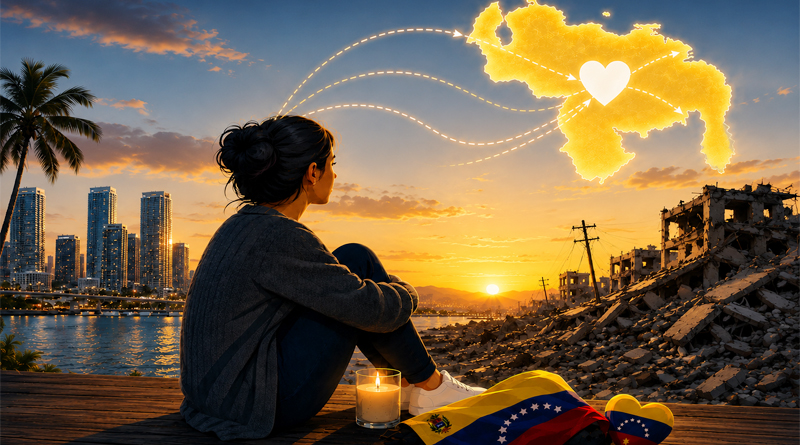
When powerful earthquakes struck northern Venezuela on June 24, the tremors were felt far beyond the epicenter. Worldwide, the devastation in the hearts and souls of the Venezuelan diaspora was incommensurable. How much more can the Venezuelan people withstand?
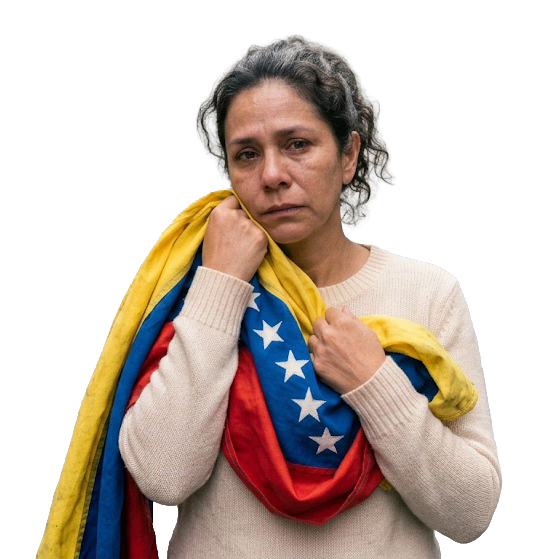
The emotional aftershocks have continued to ripple through families, communities, and the millions of Venezuelans living abroad. For the Venezuelans abroad, every phone call, message or news alert became a painful reminder that although they were safe, their homeland and loved ones were not. It is a profound emotional burden to be unharmed while carrying the weight of a shattered nation.
This deep, empathetic suffering is often called Secondary Traumatic Stress (STS), a form of Post-Traumatic Stress Disorder (PTSD). While PTSD is traditionally associated with direct survivors, STS frequently impacts those observing the disasters from afar. Repeated exposure to distressing images, uncertainty about loved ones, and intense empathy can trigger significant trauma responses.
STS surfaces in highly disruptive ways: nightmares or difficulty falling asleep; emotional numbness, isolation or a need to avoid acknowledging the disaster out of panic. Many experience inability to concentrate, insomnia, and a sense of survivor’s guilt for having escaped the tragedy simply by living elsewhere.
According to clinical psychologist Dr. Erika Monroy’s “Guide to Emotional First Aid”, these overwhelming emotions like sadness, confusion, fear, and physical exhaustion are not signs of weakness, but normal human responses to extraordinary circumstances. Her reassuring message is one that Venezuelans need to hear today: you are not alone. “Allowing your emotions to exist without self-judgment is the very first step toward finding relief.”
Calming the Mind and Body
 Emotional first aid cannot replace professional psychological treatment, when necessary, but it can help restore calm and provide comfort while the healing process begins. When trauma strikes, the nervous system stays in survival mode. Healing requires restoring the sense of safety. Dr. Monroy advises that maintaining simple, predictable daily routines provides the brain with structure when the world feels chaotic. Prioritizing basic physical needs is fundamental for emotional recovery.
In case of panic or anxiety bouts, she suggests a practical grounding tool: the 4-6 breathing technique, inhaling slowly through the nose for four seconds and exhaling gently through the mouth for six seconds; repeating this cycle fosters a sense of calm.
While social media allows us to keep in touch with our loved ones from afar, the overexposure to tragic images only deepens psychological wounds. Limiting media consumption is a boundary necessary for mental survival. Making the effort to socialize and speak with trusted friends or family members reduces the emotional burden and helps to process the heavy feelings suppressed.
To control intrusive thoughts, the 5-4-3-2-1 exercise helps to focus back in the present. By consciously identifying five things you can see, four you can touch, three you can hear, two you can smell, and one you can taste, the mind is reminded that it is secure in the current moment.
Children deserve additional attention, as they observe and understand more than they can express. Offer them honest reassurance, listen to their questions and concerns, keep their routines and provide them physical affection; it is crucial to making them feel safe again.
However, if symptoms like insomnia, lack of appetite, feelings of desolation or hopelessness escalate, persist and interfere with daily life, in children or adults, seeking professional psychological support is an action that should not be delayed.
Faith, Gratitude and Solidarity Heal
Recovery is a holistic journey that requires tending to the spirit, mind and body. For generations, faith has been a cornerstone of Venezuelan resilience. Whether through prayer, reflection, or finding a community, tapping into spiritual beliefs offers a light in the darkest of times, and a quiet space to process grief and find meaning within the circumstances.
Equally powerful is the practice of gratitude. Finding the space to be consciously thankful for the blessings received, like a loved one that is safe, having shelter and food, or simply living another day, can deeply transform the healing process.
Acknowledging the immense strength it takes to live far from home, and continue your daily work while carrying such a heavy emotional load, is an act of profound self-compassion. Giving yourself permission to grieve, and thanking your body and mind for carrying you through the trauma, is essential.
Gratitude towards host countries is fundamental for those in the diaspora, as the international community has exhibited countless acts of human solidarity towards the victims of the earthquakes. Recognizing and appreciating their efforts and generosity, as a declaration that hope remains stronger than despair, is a testament that the Venezuelan people appreciate not having been abandoned in their hour of need.
Though achieving full recovery from the earthquakes will take a long time, history has shown that the Venezuelan spirit is not defined by the tragedies it endures but by the resilience to rise afterward. Healing is a gradual journey. By embracing self-care, reaching out for professional help when the burden becomes too heavy, and standing united in love, gratitude and faith, the diaspora can transform its collective grief into an enduring, powerful hope for the future.
¿Puede la diáspora venezolana superar el trauma de los terremotos?
Sanando lejos del epicentro
Por: María Alejandra Pulgar
Cuando dos poderosos terremotos sacudieron el norte de Venezuela el 24 de junio, los temblores se sintieron mucho más allá del epicentro. A nivel mundial, la devastación en los corazones y las almas de la diáspora venezolana fue inconmensurable. ¿Cuánto más podrá soportar el pueblo venezolano?
Las repercusiones emocionales han seguido afectando a familias, comunidades y a los millones de venezolanos que viven en el extranjero, para quienes cada llamada, mensaje o alerta de noticias se convirtieron en un doloroso recordatorio de que, si bien ellos estaban a salvo, su patria y sus seres queridos no lo estaban. Es una profunda carga emocional estar ileso mientras tu nación está destrozada.
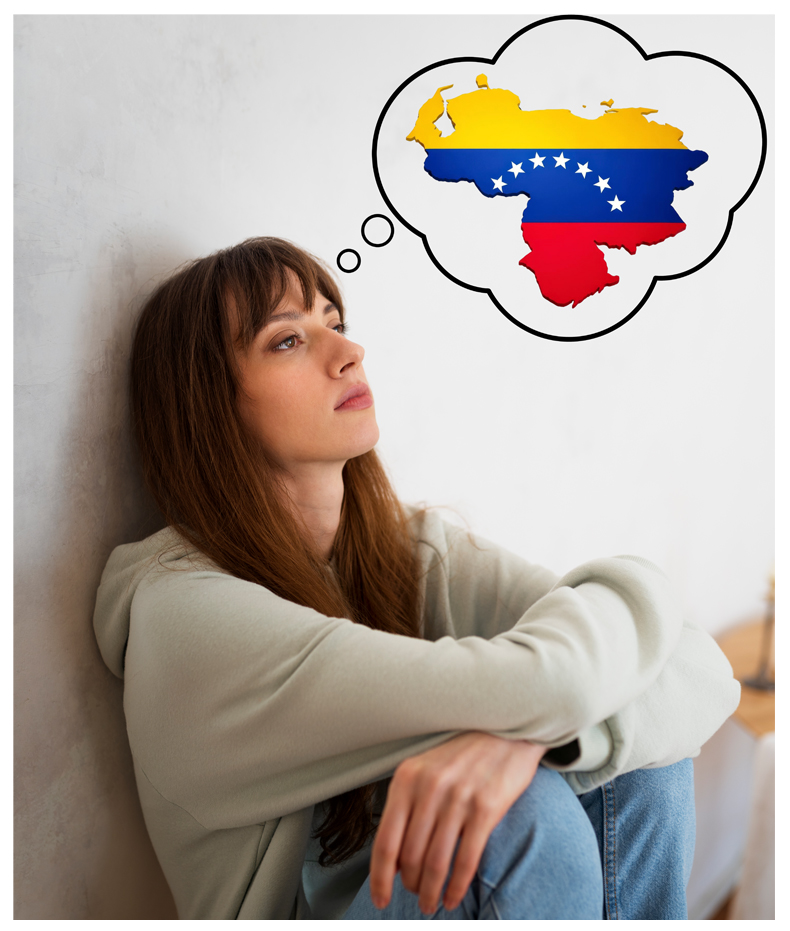 Este profundo sufrimiento, cargado de empatía, se conoce como Estrés Traumático Secundario (ETS), una forma de Trastorno de Estrés Postraumático (TEPT o PTSD en inglés). Si bien el TEPT se asocia tradicionalmente con los sobrevivientes directos, el ETS afecta con frecuencia a quienes observan los desastres desde la distancia. La exposición repetida a imágenes angustiantes, la incertidumbre sobre los seres queridos y la intensa empatía pueden desencadenar respuestas traumáticas significativas.
El ETS se manifiesta con pesadillas o dificultad para conciliar el sueño; insensibilidad emocional, aislamiento o pánico; incapacidad para concentrarse, y un sentimiento de culpa por haber escapado de la tragedia simplemente por estar viviendo en otro lugar.
Según la “Guía de Primeros Auxilios Emocionales” de la psicóloga clínica Dra. Erika Monroy, estas emociones abrumadoras como la tristeza, la confusión, el miedo y el agotamiento físico no son signos de debilidad, sino respuestas humanas normales ante circunstancias extraordinarias. Su mensaje reconfortante es uno que los venezolanos necesitan escuchar hoy: no están solos. “Permitir que las emociones existan sin juzgarse a uno mismo es el primer paso para encontrar alivio”.
Calmar la mente y el cuerpo
Los primeros auxilios emocionales no pueden reemplazar el tratamiento psicológico profesional, cuando sea necesario, pero pueden ayudar a restablecer la calma y brindar consuelo mientras comienza la sanación. Ante un trauma, el sistema nervioso entra en modo de supervivencia. La sanación requiere recuperar la sensación de seguridad. La Dra. Monroy aconseja mantener rutinas diarias sencillas y predecibles, que proporcionan estructura al cerebro cuando el mundo parece caótico. Priorizar las necesidades físicas básicas es fundamental para la recuperación emocional.
En caso de ataques de pánico o ansiedad, sugiere una herramienta práctica para conectar con el presente: la técnica de respiración 4-6, que consiste en inhalar lentamente por la nariz durante cuatro segundos y exhalar suavemente por la boca durante seis segundos; repetir este ciclo fomenta la calma.
La sobreexposición a imágenes trágicas en las redes sociales solo profundiza las heridas psicológicas. Limitar el consumo de medios es un límite necesario para la supervivencia mental. Hacer el esfuerzo de socializar y hablar con amigos o familiares de confianza reduce la carga emocional y ayuda a procesar los sentimientos reprimidos.
Para controlar los pensamientos intrusivos, el ejercicio 5-4-3-2-1 ayuda a centrarse en el presente. Al identificar conscientemente cinco cosas que se pueden ver, cuatro que se pueden tocar, tres que se pueden oír, dos que se pueden oler y una que se puede saborear, la mente recuerda que está segura en el momento presente.
Los niños merecen especial atención, ya que observan y comprenden más de lo que pueden expresar. Ofrézcales tranquilidad, escuche sus preguntas e inquietudes, mantenga sus rutinas y bríndeles afecto físico; es fundamental para que vuelvan a sentirse seguros.
Sin embargo, si síntomas como el insomnio, la falta de apetito, sentimientos de desolación o desesperanza se intensifican, persisten e interfieren con la vida diaria, tanto en niños como en adultos, buscar apoyo psicológico profesional es una medida prioritaria.
Fe, gratitud y solidaridad para sanar
La recuperación es un camino integral que requiere cuidar el espíritu, la mente y el cuerpo. Durante generaciones, la fe ha sido un pilar de la resiliencia venezolana. Ya sea a través de la oración, la reflexión o la búsqueda de una comunidad, conectar con las creencias espirituales ofrece una luz en los momentos más oscuros y un espacio de tranquilidad para procesar el duelo y encontrar sentido a las circunstancias.
La práctica de la gratitud es igualmente poderosa. Encontrar el espacio para agradecer conscientemente las bendiciones recibidas, como tener un ser querido a salvo, un techo y comida, o simplemente vivir un día más, puede transformar profundamente el proceso de sanación.
Reconocer la inmensa fortaleza que se necesita para vivir lejos de casa y continuar con el trabajo diario mientras se carga con una pesada carga emocional es un acto de profunda autocompasión. Permitirse sentir el duelo y agradecer al cuerpo y la mente por acompañarnos durante el trauma es esencial.
La gratitud hacia los países de acogida es fundamental para quienes forman parte de la diáspora, ya que la comunidad internacional ha demostrado innumerables actos de solidaridad hacia las víctimas de los terremotos. Reconocer y apreciar sus esfuerzos y generosidad, como una declaración de que la esperanza es más fuerte que la desesperación, es un testimonio de que el pueblo venezolano agradece no haber sido abandonado en su momento de necesidad.
Si bien la recuperación total tras los terremotos llevará tiempo, la historia ha demostrado que el espíritu venezolano no se define por las tragedias que sufre, sino por la resiliencia para levantarse después. La sanación es un proceso gradual.
Al priorizar el autocuidado, buscar ayuda profesional cuando la carga se vuelve demasiado pesada y permanecer unidos en amor, gratitud y fe, la diáspora puede transformar su dolor colectivo en una esperanza duradera y poderosa para el futuro.