

Doral Approves Pilot Program to Detect Fraud in HOAs and Condominiums
DORAL, FL – The City of Doral has taken a significant step toward addressing one of its residents’ most recurring concerns by approving the HOA-COA Fraud Detection Program, a pilot initiative designed to help identify potential cases of financial fraud within homeowners associations (HOAs) and condominium associations (COAs).
The program seeks to create a structured mechanism through which residents can submit complaints related to potential financial irregularities within their communities, allowing authorities to evaluate whether sufficient evidence exists to initiate a criminal investigation.
During the presentation of the proposal, Mayor Christi Fraga explained that the program was developed in response to a growing need among residents facing situations involving alleged financial misconduct within their associations.
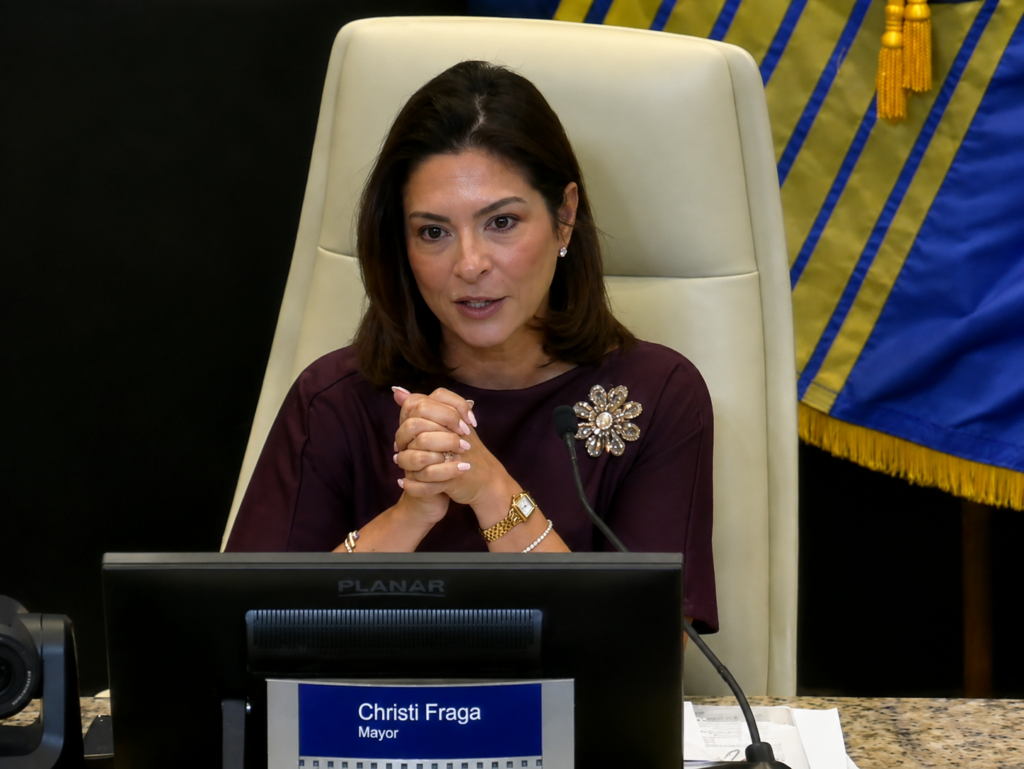 Fraga emphasized that when complaints rise to the level of potential financial fraud, organized schemes, or improper solicitations—particularly those affecting vulnerable populations—the Police Department has a responsibility to investigate, provided there is sufficient evidence to support the allegations.
The mayor clarified that the program is not intended to intervene in administrative disputes or internal association conflicts, such as the enforcement of rules and regulations, disagreements with board members, or election outcomes. Its purpose is to determine whether a crime has occurred and, if so, facilitate the development of an investigation that could lead to legal action.
“Our residents’ largest asset is their home,” Fraga stated. “When financial irregularities or the improper management of funds occur, the impact is real and can become a significant economic burden for families.”
The initiative will initially operate as a one-year pilot program, during which the city will absorb the costs associated with training and specialized external financial auditing support. During this period, data will be collected regarding the number of cases received, the resources required, and the feasibility of implementing the program on a permanent basis.
According to Fraga, at the conclusion of the pilot period, the city will have concrete information to determine whether funding mechanisms, cost-recovery structures, or specialized personnel dedicated exclusively to these types of investigations will be necessary.
The mayor also used the opportunity to emphasize the need for legislative reforms at the state level. She announced that she will continue promoting community workshops and public education efforts aimed at advancing legislative changes that strengthen oversight and accountability within homeowners and condominium associations.
She also expressed concern regarding Community Development Districts (CDDs), noting that these mechanisms often increase costs for property owners for years and stating that she does not support the creation of new CDDs or the expansion of existing ones.
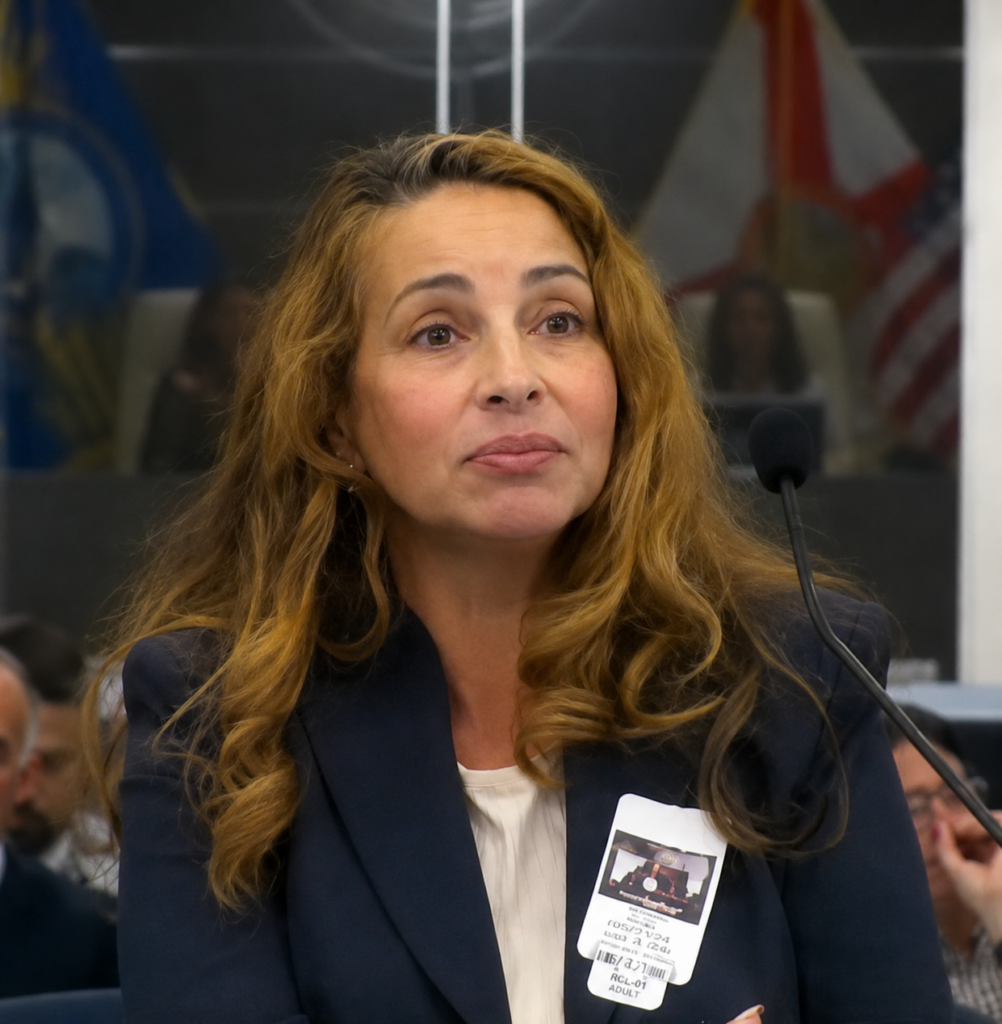
Tamara Reyes, founder and president of South Florida Property Owners Consulting and a former Miami-Dade Police Department sergeant specializing in economic crimes, who participated in the presentation of the program, explained that complaints involving homeowners and condominium associations continue to increase and that many residents face difficulties obtaining answers when they suspect potential financial irregularities.
According to Reyes, one of the primary challenges is that fraud investigations involving associations are significantly more complex than traditional criminal cases. While crimes such as vehicle theft or burglary are often evident from the outset, association-related cases first require investigators to determine whether criminal conduct actually occurred and then identify how it took place.
Reyes noted that many residents either do not have access to financial records or lack the knowledge necessary to interpret financial statements and accounting documents. As a result, suspicions often arise that require specialized review to determine whether funds have in fact been misappropriated.
The expert explained that, on numerous occasions, investigations that initially appeared to reveal no irregularities ultimately uncovered hundreds of thousands of dollars in allegedly misappropriated funds. These losses can result in special assessments for property owners, increased fees, and, in some cases, foreclosure risks for those unable to absorb the additional costs.
For this reason, she emphasized the importance of establishing clear complaint intake procedures, training law enforcement personnel, and providing residents with a centralized location where they can present their concerns without having to navigate multiple government agencies in search of assistance.
A New Resource for Residents
The HOA-COA Fraud Detection Program represents an innovative effort by the City of Doral to address an issue that directly affects the financial stability and quality of life of many residents.
City officials emphasized that the program does not guarantee that every complaint will result in an investigation or prosecution. However, it will provide a formal mechanism for evaluating potential fraud cases and create a pathway to accountability where many residents currently believe a gap exists.
Through this initiative, Doral aims to become a model for other municipalities facing similar challenges related to the financial oversight of homeowners and condominium associations.

Doral Aprueba Programa Piloto para Detectar Fraude en HOAs y Condominios
La Ciudad de Doral dio un paso significativo para abordar una de las preocupaciones más recurrentes de sus residentes al aprobar el HOA-COA Fraud Detection Program, una iniciativa piloto diseñada para ayudar a identificar posibles casos de fraude financiero en asociaciones de propietarios (HOA) y asociaciones de condominios (COA).
El programa busca crear un mecanismo estructurado para que los residentes puedan presentar denuncias relacionadas con posibles irregularidades financieras dentro de sus comunidades, permitiendo evaluar si existen elementos suficientes para iniciar una investigación criminal.
Durante la presentación de la propuesta, la alcaldesa Christi Fraga explicó que el programa surge como respuesta a una necesidad creciente de los residentes que enfrentan situaciones relacionadas con presuntas malas prácticas financieras en sus asociaciones.
Fraga destacó que cuando las denuncias alcanzan el nivel de posible fraude financiero, esquemas organizados o solicitudes indebidas que afectan especialmente a personas vulnerables, el Departamento de Policía tiene la responsabilidad de investigar siempre que exista evidencia suficiente.
La alcaldesa aclaró que el programa no pretende intervenir en disputas administrativas o conflictos internos de las asociaciones, como la aplicación de reglamentos, desacuerdos con juntas directivas o resultados electorales. Su objetivo es determinar si se ha cometido un delito y, de ser así, facilitar el desarrollo de una investigación que pueda conducir a acciones legales.
“El mayor patrimonio de nuestros residentes es su vivienda”, señaló Fraga. “Cuando existen irregularidades financieras o un manejo inadecuado de fondos, el impacto es real y puede convertirse en una carga económica significativa para las familias”.
La iniciativa funcionará inicialmente como un programa piloto de un año, período durante el cual la ciudad absorberá los costos de capacitación y apoyo externo especializado en auditorías financieras. Durante ese tiempo se recopilarán datos sobre la cantidad de casos recibidos, los recursos necesarios y la viabilidad de implementar el programa de forma permanente.
Según explicó Fraga, al finalizar el período piloto la ciudad contará con información concreta para determinar si será necesario establecer mecanismos de financiamiento, estructuras de recuperación de costos o personal especializado dedicado exclusivamente a este tipo de investigaciones.
La alcaldesa también aprovechó la oportunidad para enfatizar la necesidad de reformas legislativas a nivel estatal. Anunció que continuará impulsando talleres comunitarios y esfuerzos de educación ciudadana para promover cambios legislativos que fortalezcan la supervisión y la rendición de cuentas dentro de las asociaciones de propietarios y condominios.
Asimismo, expresó su preocupación por los Community Development Districts (CDD), señalando que estos mecanismos suelen incrementar los costos para los propietarios durante años y que no apoyará la creación de nuevos CDD ni la expansión de los existentes.
Tamara Reyes, fundadora y presidenta de South Florida Property Owners Consulting y exsargento del Departamento de Policía de Miami-Dade, especializada en delitos económicos, quien participó en la presentación del programa, explicó que las quejas relacionadas con asociaciones de propietarios y condominios continúan aumentando y que muchos residentes enfrentan dificultades para obtener respuestas cuando sospechan de posibles irregularidades financieras.
Según indicó, uno de los principales problemas es que las investigaciones de fraude en asociaciones son significativamente más complejas que otros delitos tradicionales. Mientras que en un robo de vehículo o un allanamiento el delito suele ser evidente desde el inicio, en los casos de asociaciones primero es necesario determinar si realmente existe una conducta criminal y luego identificar cómo ocurrió.
Tamara señaló que muchas veces los residentes no tienen acceso a los registros financieros o no cuentan con los conocimientos necesarios para interpretar estados financieros y documentos contables. Esto genera sospechas que requieren una revisión especializada para determinar si efectivamente existe una malversación de fondos.
La experta explicó que, en numerosas ocasiones, investigaciones que inicialmente parecían no presentar irregularidades terminaron revelando cientos de miles de dólares en fondos presuntamente malversados. Estas pérdidas pueden traducirse en evaluaciones especiales para los propietarios, incrementos en cuotas y, en algunos casos, riesgos de ejecución hipotecaria para quienes no pueden asumir esos costos adicionales.
Por ello, destacó la importancia de crear procedimientos claros de recepción de denuncias, capacitar a los agentes del orden público y ofrecer a los residentes un punto centralizado donde presentar sus inquietudes sin tener que recurrir a múltiples agencias gubernamentales en busca de ayuda.
Un nuevo recurso para los residentes
El HOA-COA Fraud Detection Program representa un esfuerzo innovador por parte de la Ciudad de Doral para abordar una problemática que afecta directamente la estabilidad financiera y la calidad de vida de numerosos residentes.
Las autoridades enfatizaron que el programa no garantiza que todas las denuncias resulten en investigaciones o procesos judiciales. Sin embargo, sí proporcionará un mecanismo formal para evaluar posibles casos de fraude y crear una vía de rendición de cuentas donde actualmente muchos residentes consideran que existe un vacío.
Con esta iniciativa, Doral busca convertirse en un modelo de referencia para otras municipalidades que enfrentan desafíos similares relacionados con la supervisión financiera de asociaciones de propietarios y condominios.
FINALLY the Mayor is doing something which is not for Developers.
I will say this the vast majority of residents in these HOA’s NEVER get involved at all so self serving pocket lining corruption devours many of these communities often management companies even worse .
HOWEVER there are certainly honest good HOA / Management companies doing best they can but in my opinion based not just on my experience but that of countless I know in other communities , Doral is called the Transient City as so many HOA’s a corrupt disaster so residents move to a house where there is no HOA.
My neighbors are all lovely people and politically all over the place as is their right but we all agree that when we leave Doral never again a HOA.
I want to add to this that the amount of ” Karen ” type complaints that do not have a thing to do with actual corruption , unethical behavior will sadly be through the roof and if on this committee I would not get involved in any HOA unless half the residents attended the election meeting ,
It is impossible to save apathetic people from themselves and a committee is simply wasting their time as next board / management company will be as bad .
In my small community we removed 2 bad boards , worse management companies but it was like pulling teeth to get angry home owners involved due to apathy as the mentality in Miami’s Hispanic community is complaining to each other is same as getting involved and it is not.
This committee is a GREAT idea and will curtail some corruption / stealing but they should not waste time with apathetic communities and ” Karen ” complaints .